
CONTEXT
In early 2023 I was part of a small team tasked with realising a highly innovative healthcare vision:
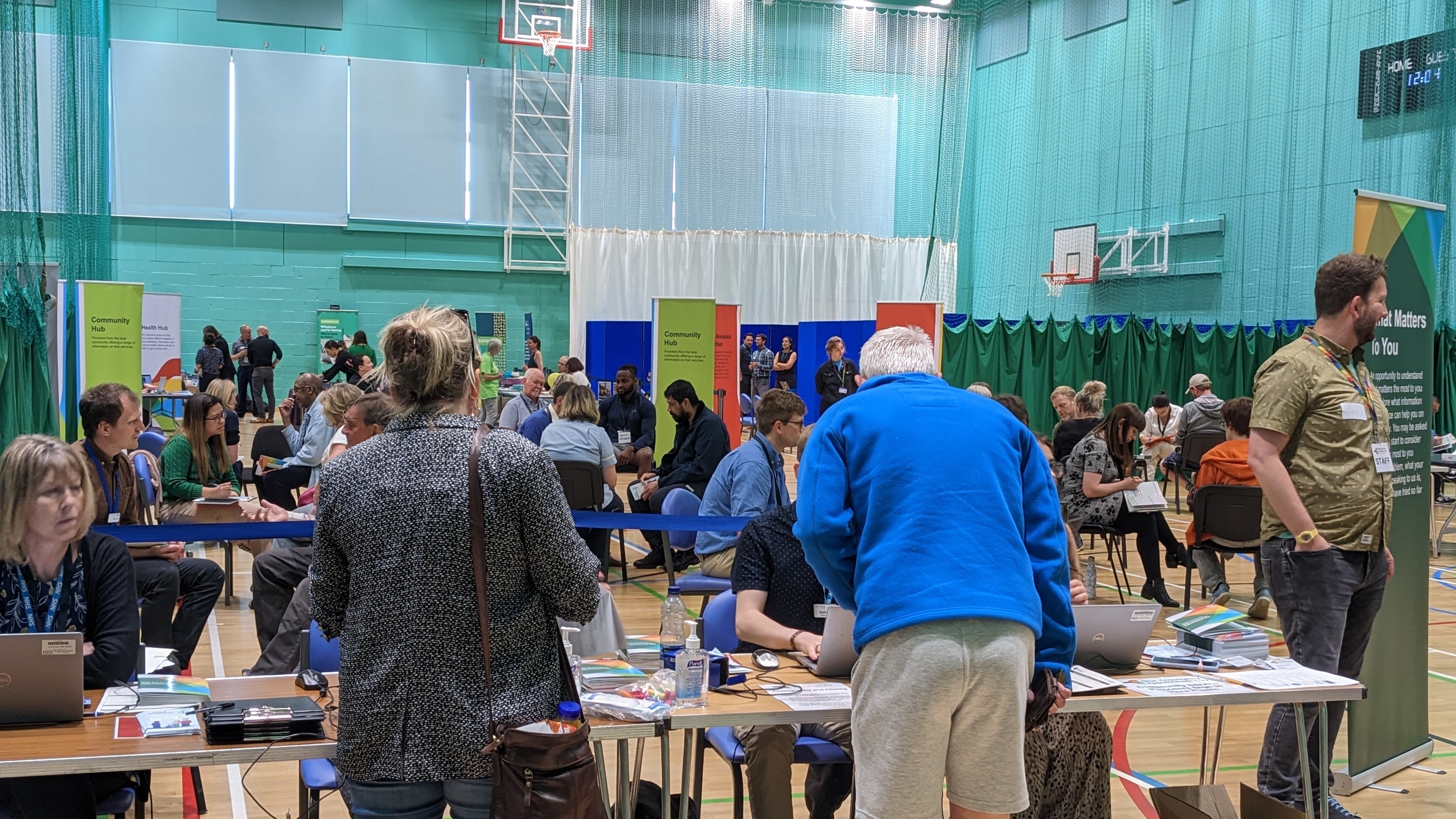
A de-medicalised, community focused, physiotherapy event held outside of traditional healthcare venues that would allow patients to receive their entire course of treatment (typically lasting months) in just one appointment. It was also intended to connect the service and patients with local community support networks, as well as help to reduce the long waits for appointments.
STRATEGY
For the event – to convert the traditional physiotherapy appointment into defined sections in order to allow patients to flow through these sections according to their needs. These would then be physically positioned such to ensure efficient flow, avoid backlogs, and ensure each patient’s journey felt tailored to their needs.
For the communications (including name) – to encourage uptake of this new format and make clear that despite its unique format this was the same high quality care as provided in hospital settings.
For the visual identity – to produce a bold, memorable icon that followed the services visual style and would be recognisable across event communications & signage.
SCOPE
Naming
Logo / Visual Identity
Experience Design
Communications
Event Layout

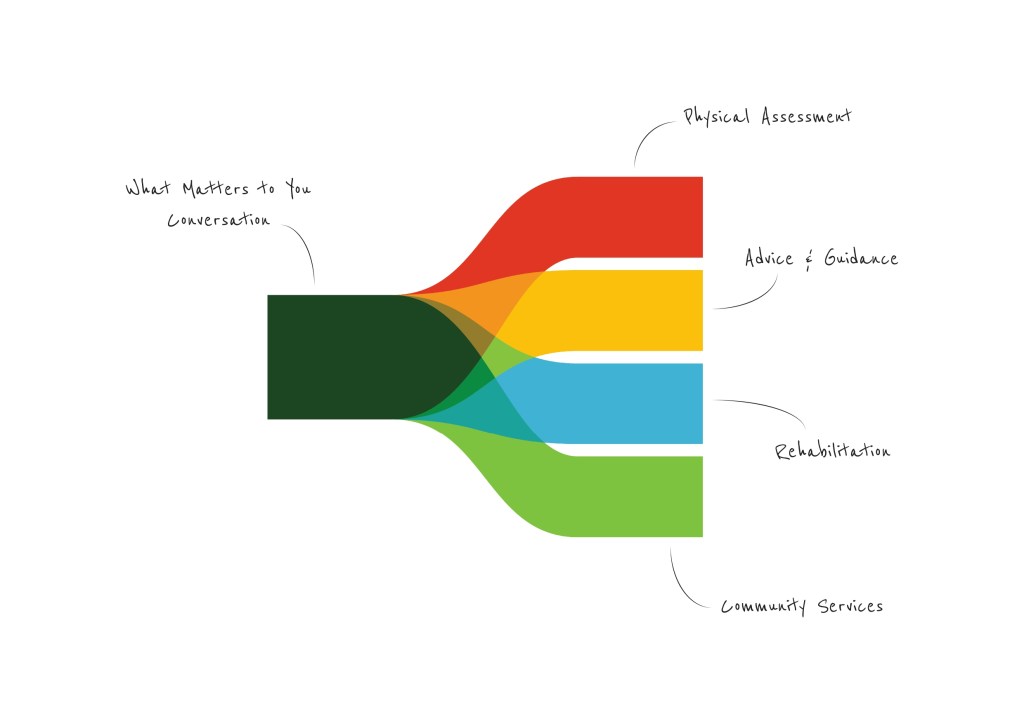
By observing and evaluating typical physiotherapy appointments we were able to categorise them into 4 distinct functions: conversational assessments (‘what matters to you’ conversation), physical assessment, advice / guidance, and rehabilitation exercises. By analysing historic treatments records & referral outcome data I was able to recognise the interactions between these 4 functions & develop a flow map to visualise them. This was then converted into physical sections that would allow patients to efficiently flow between the different clinical specialities depending on their needs whilst avoiding the need to flow ‘upstream’.
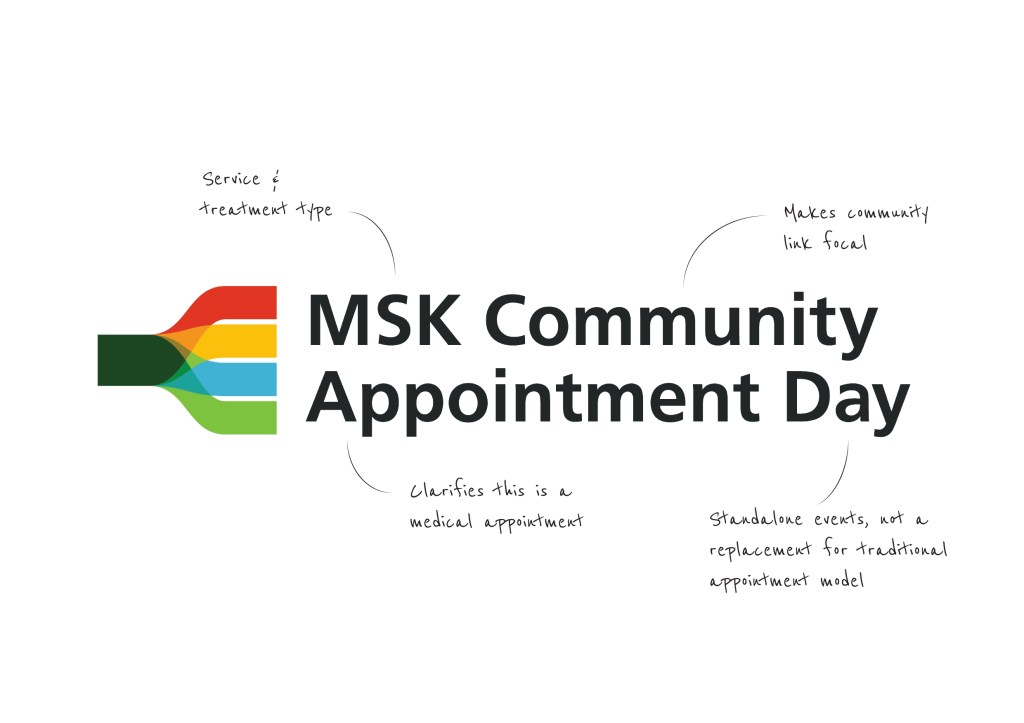
The event’s logo manifests the patients journey, representing the branching treatment paths and assigning recognisable, colour-blind friendly colours to each section.
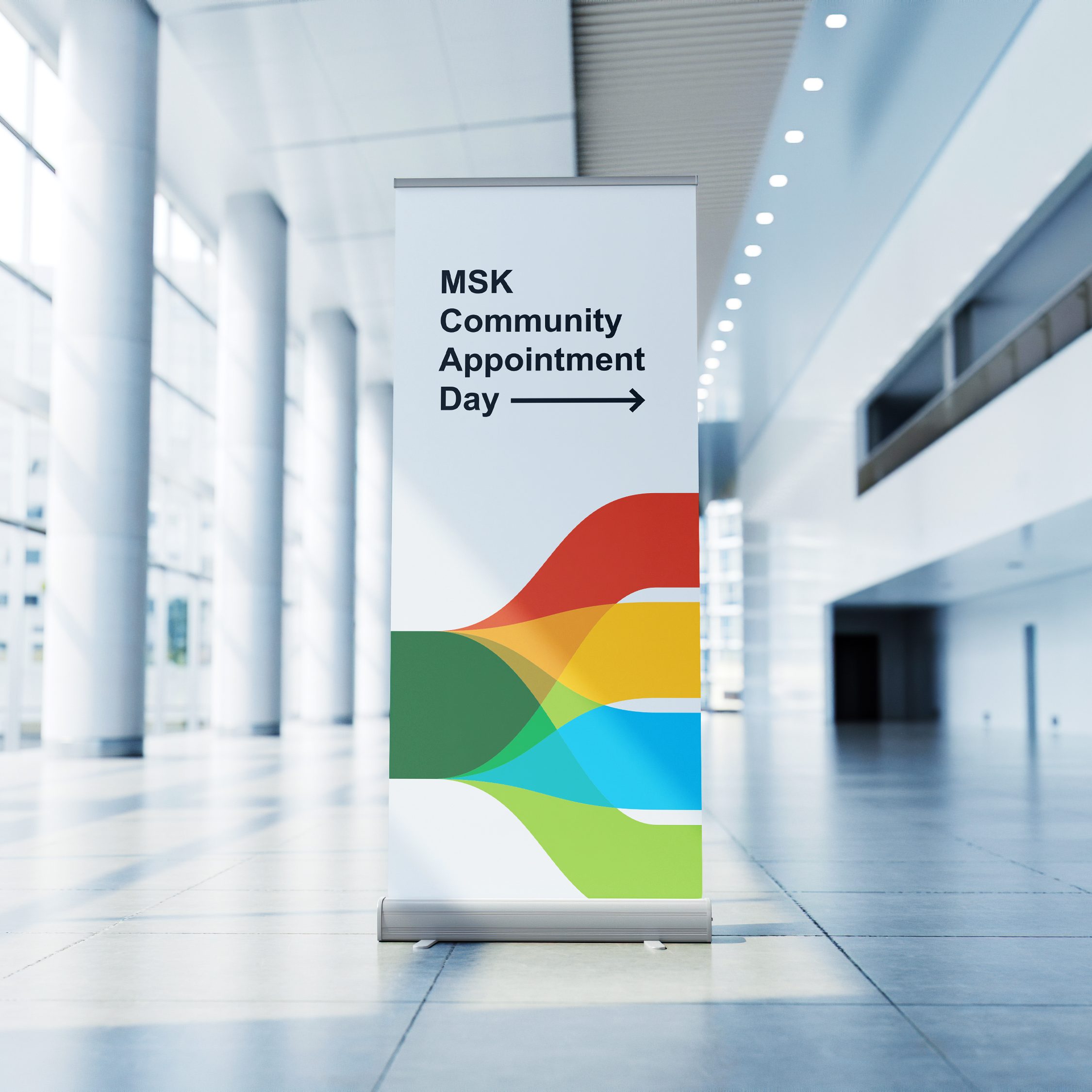
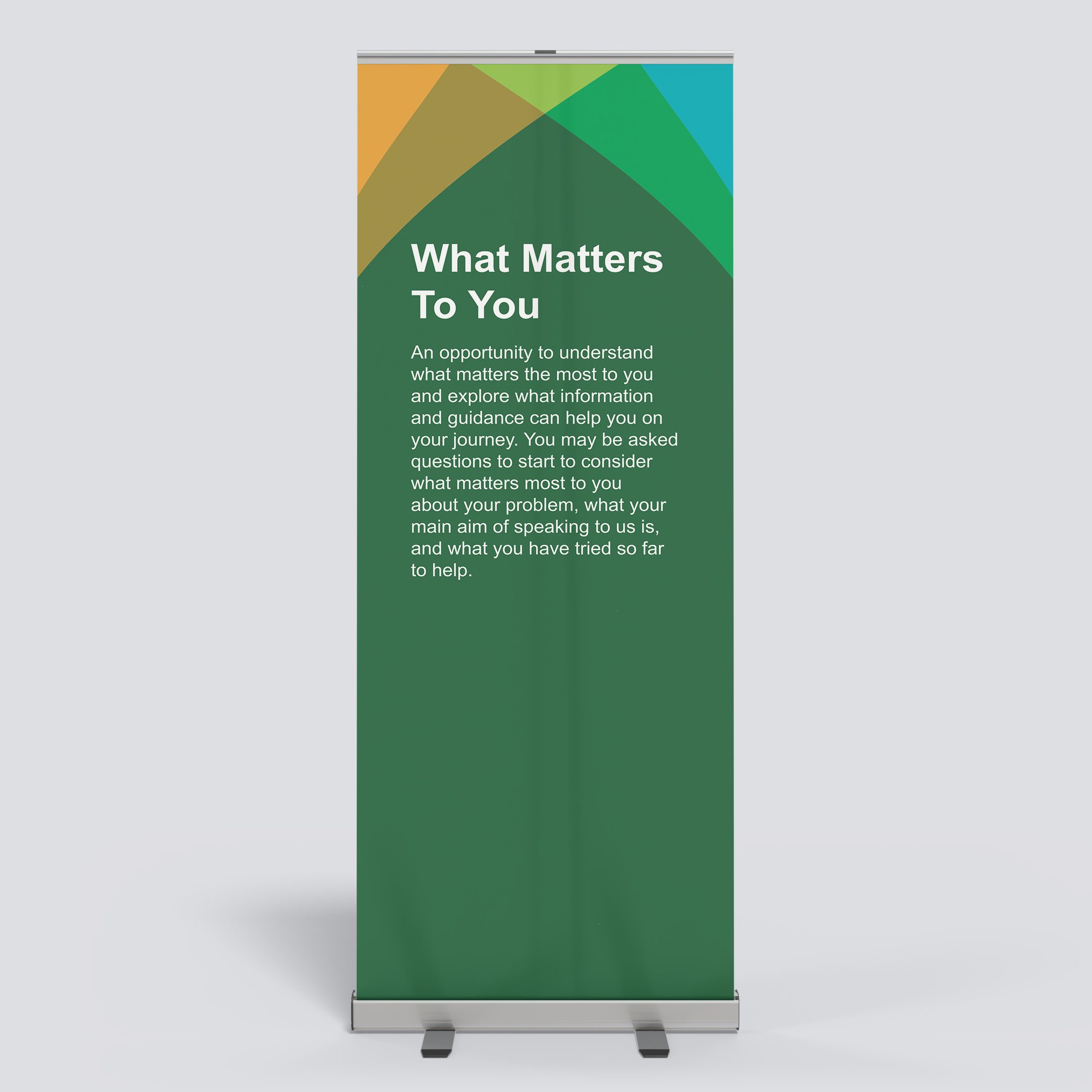
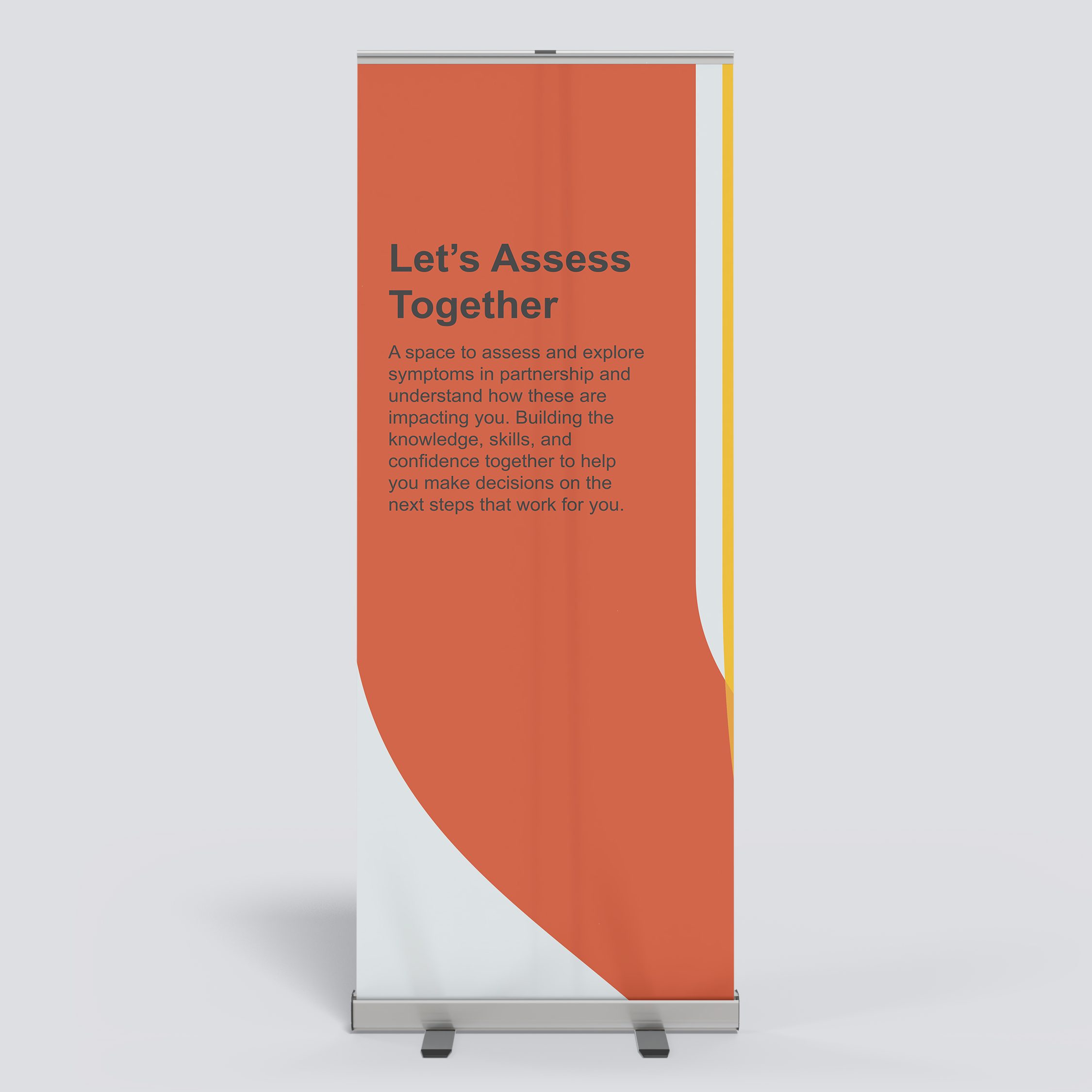
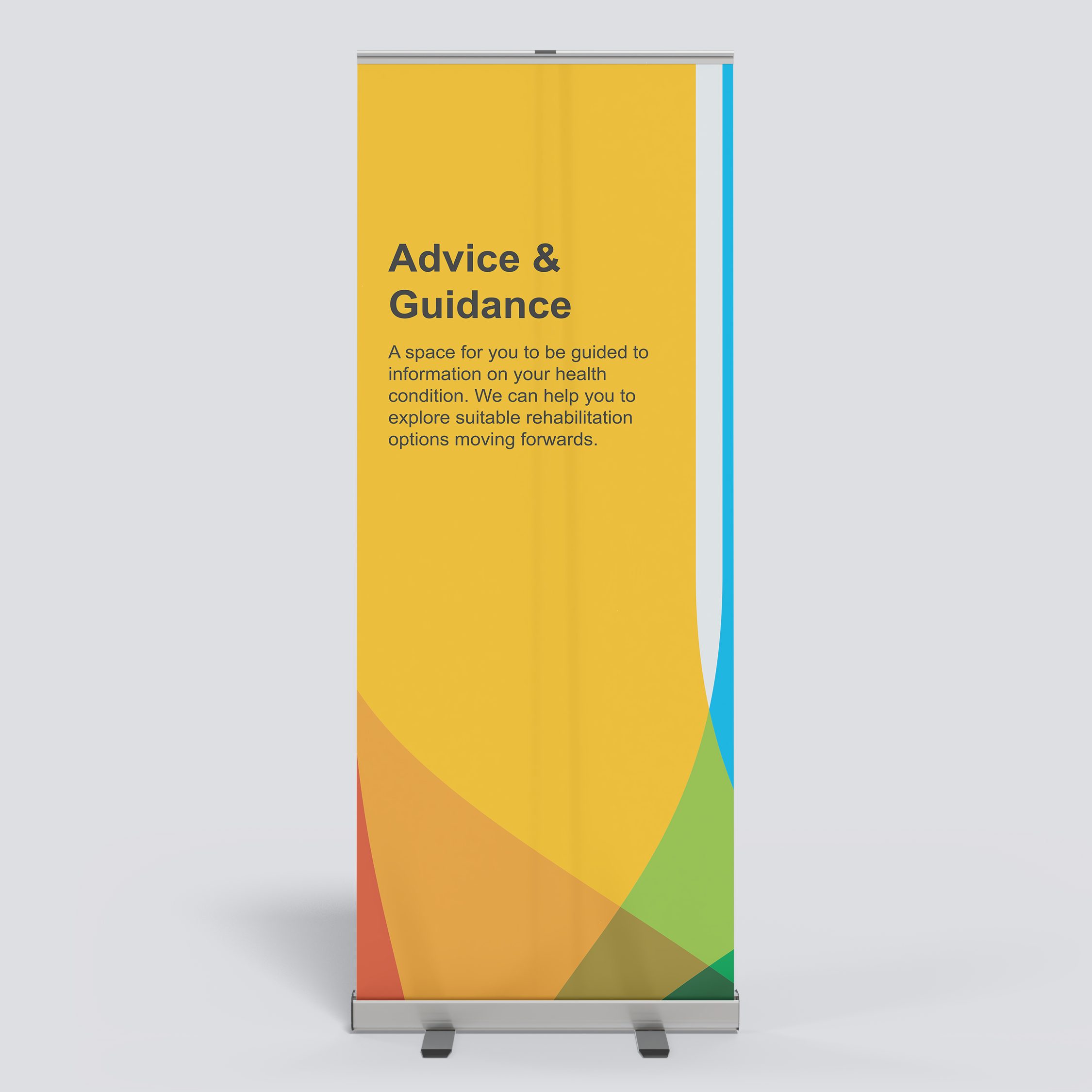

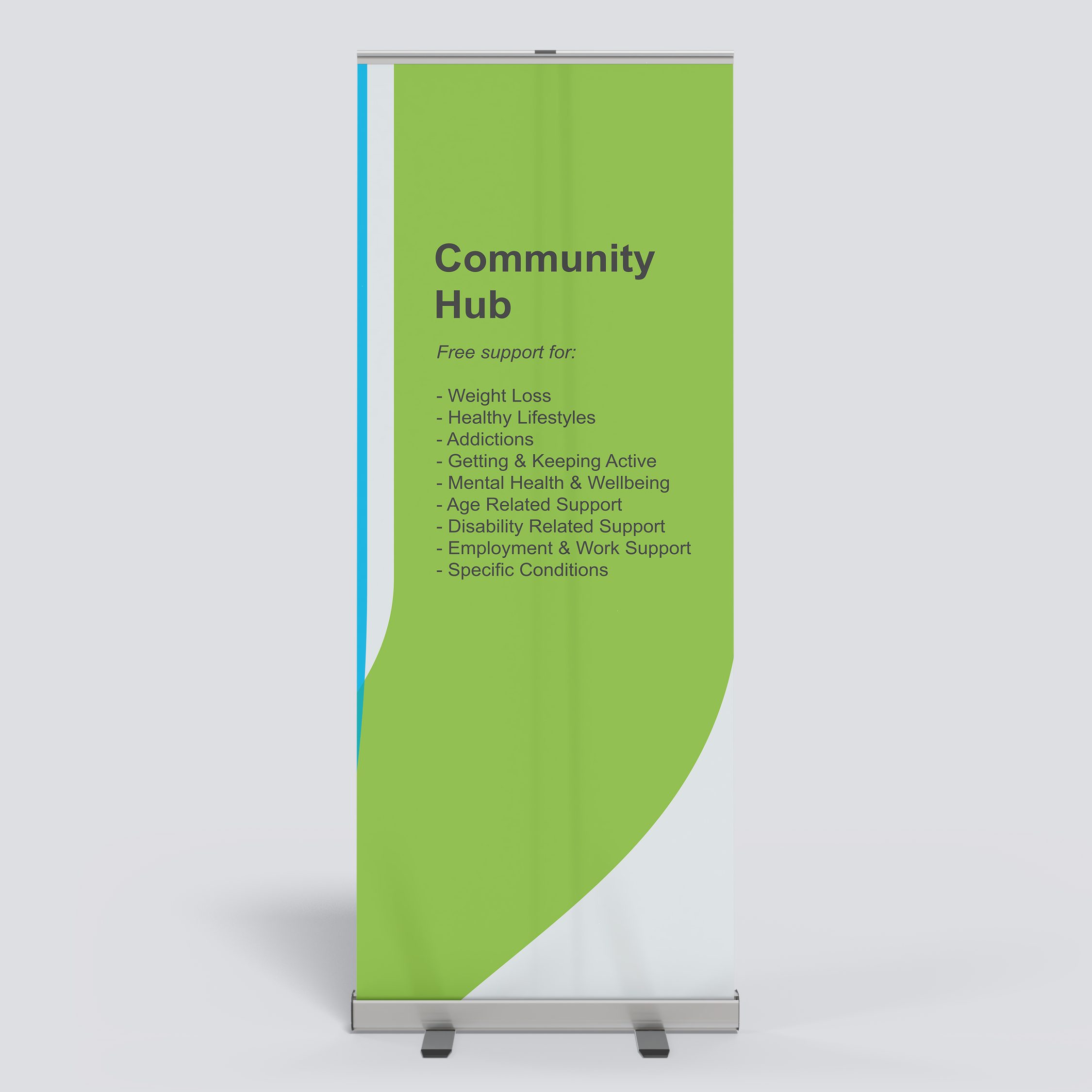
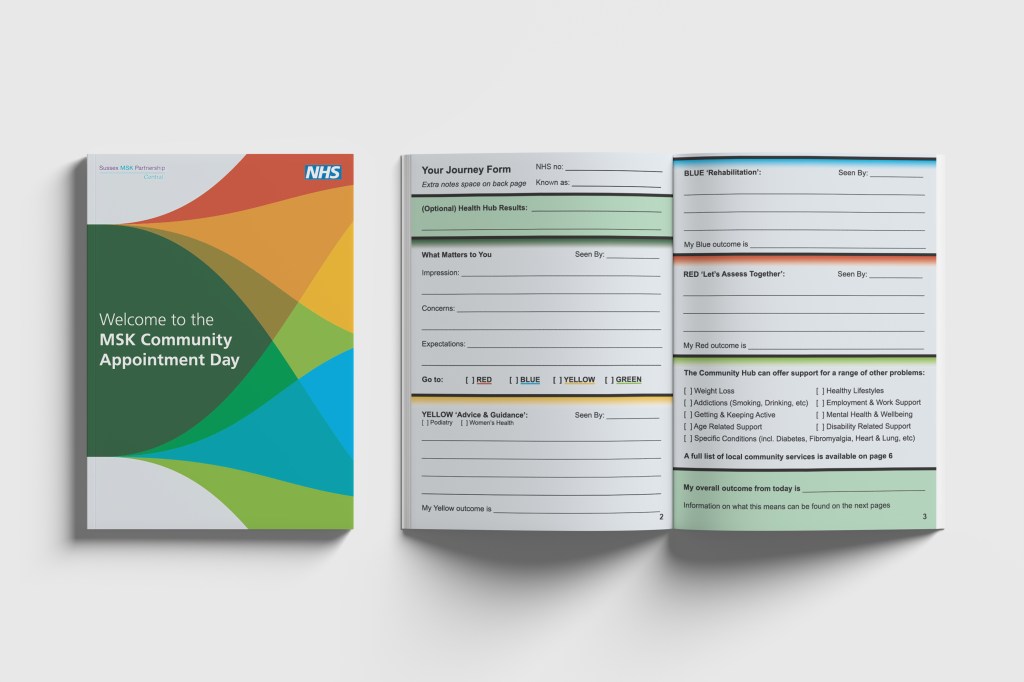
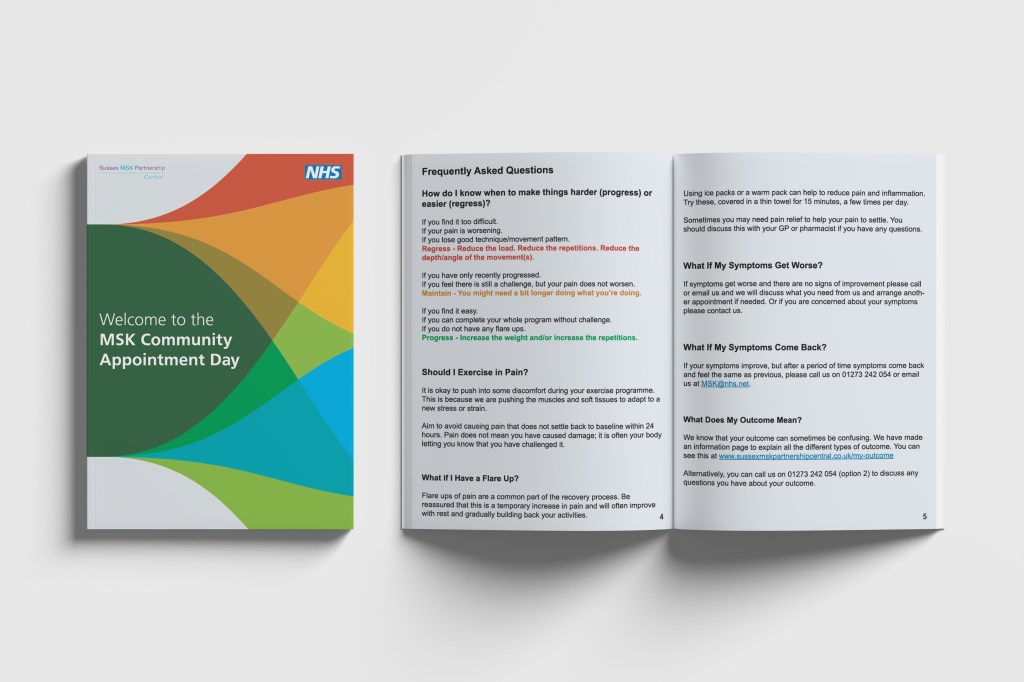
One of the goals of the event was to ‘position patients at the centre of their care’. As part of this I developed a ‘patient passport’ that would be carried by the patient and used to record their clinical conversations and outcome from the day (to reduce the use of clinician held computer systems). The ‘passport’ was designed to have a high perceived aesthetic & functional value to encourage patients to keep it long after their appointment (a strategy which has proved highly effective as patients still bring them to appointments over a year after the initial event).


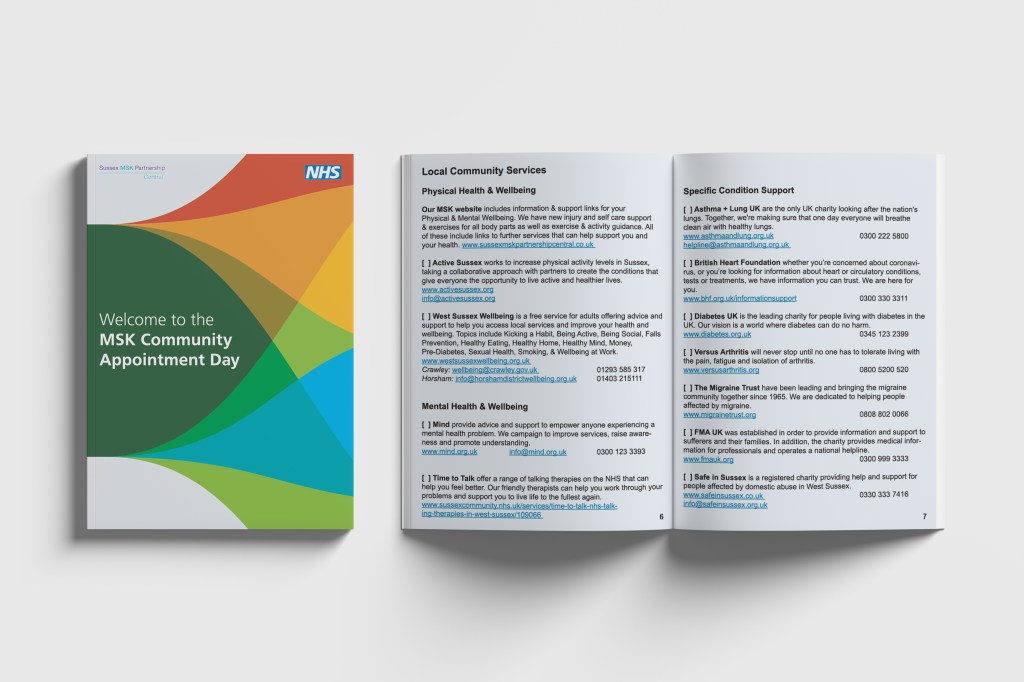
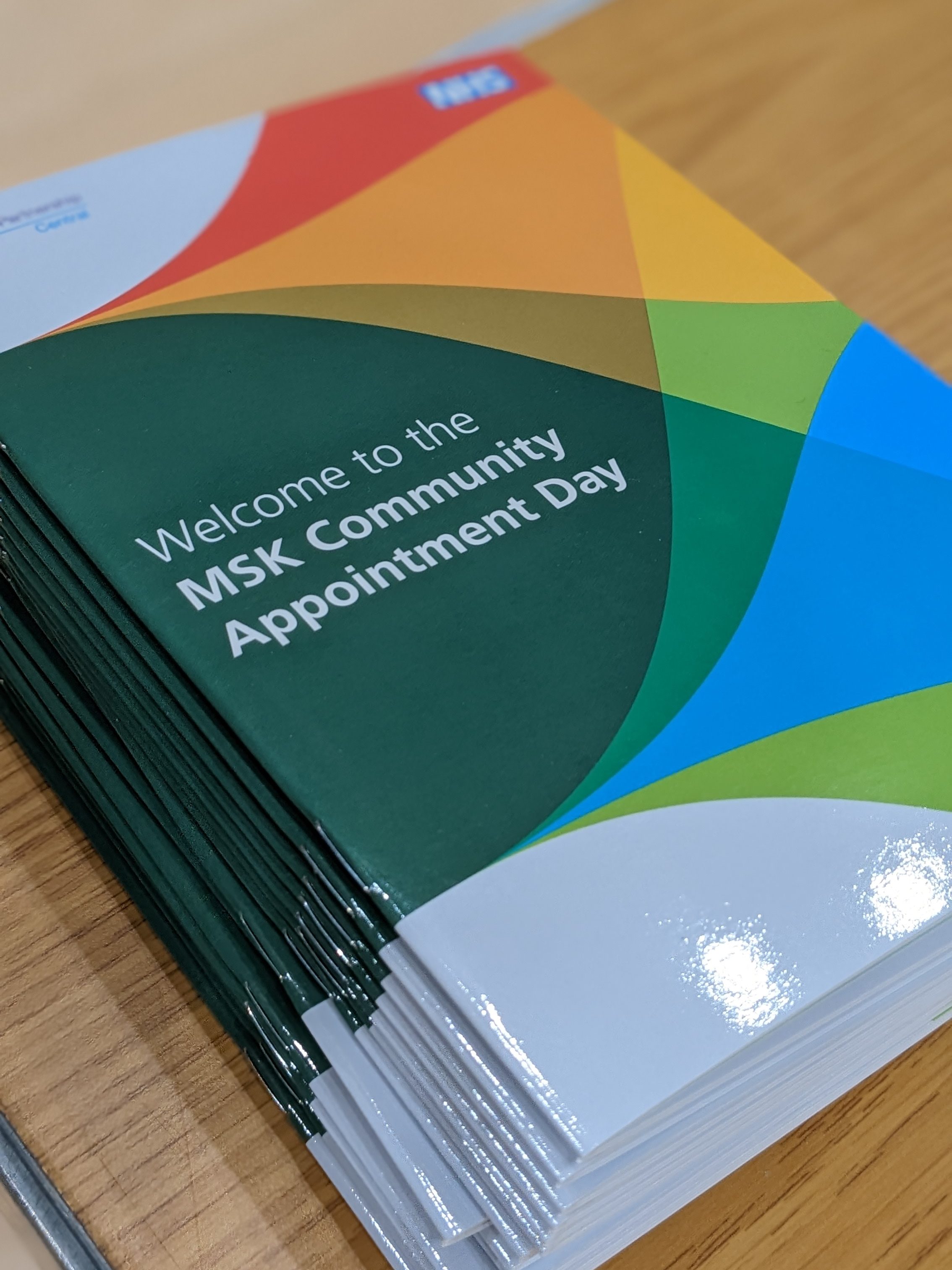
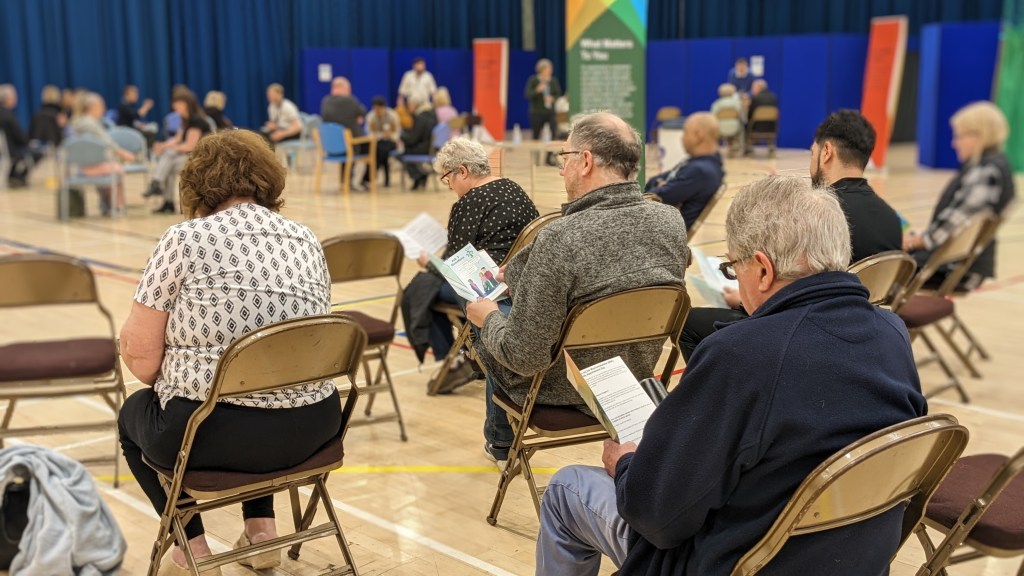
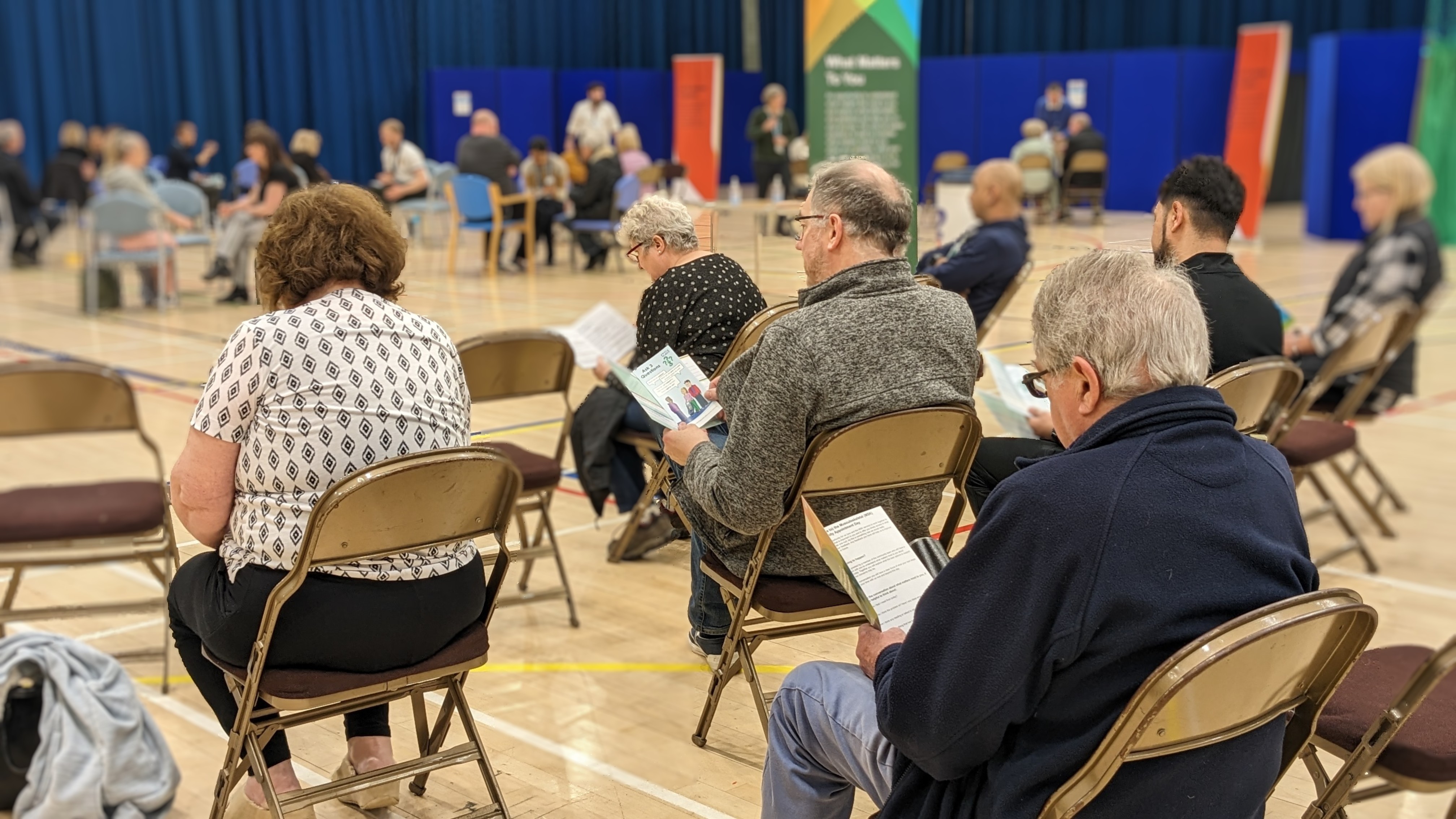
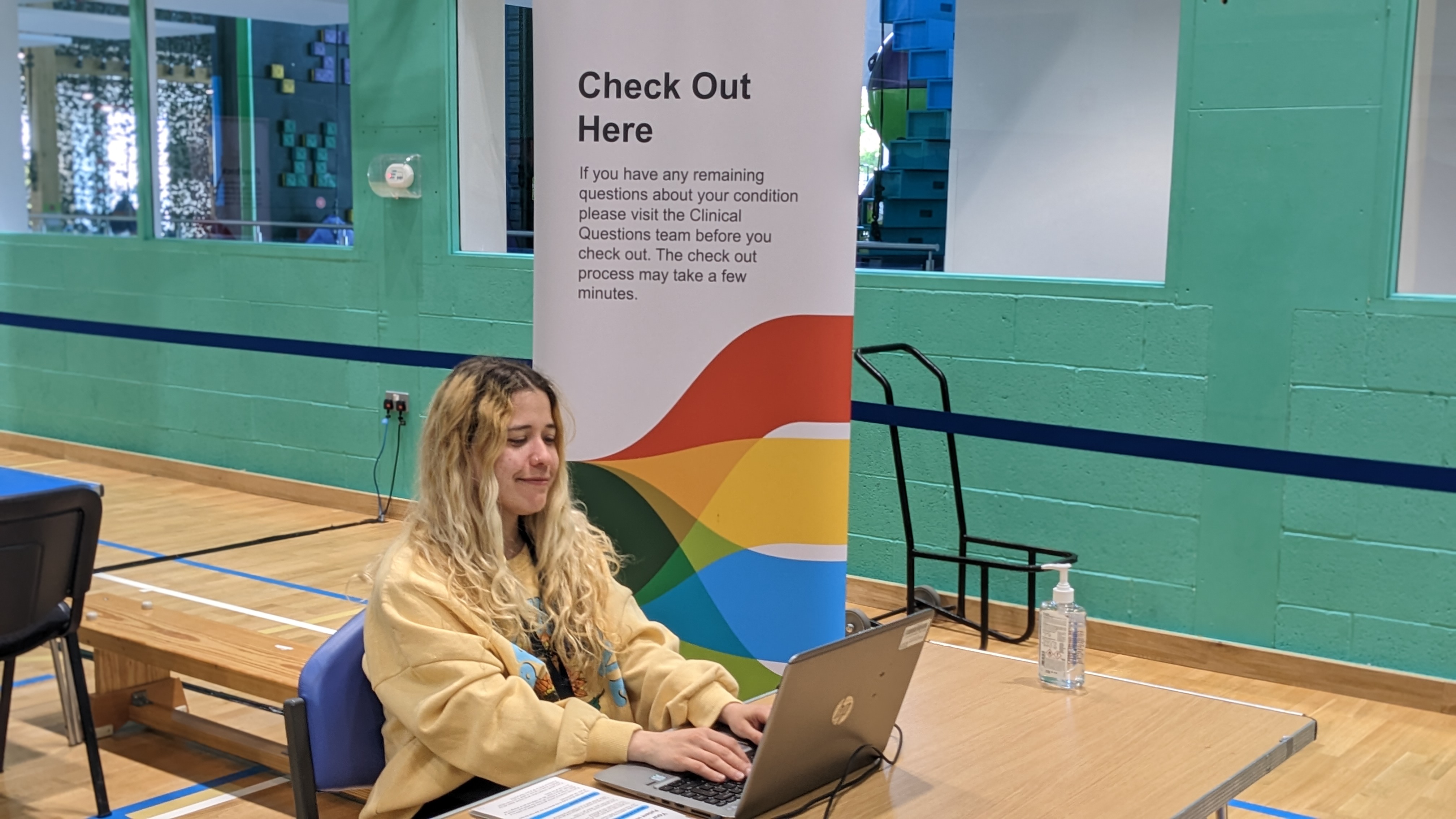
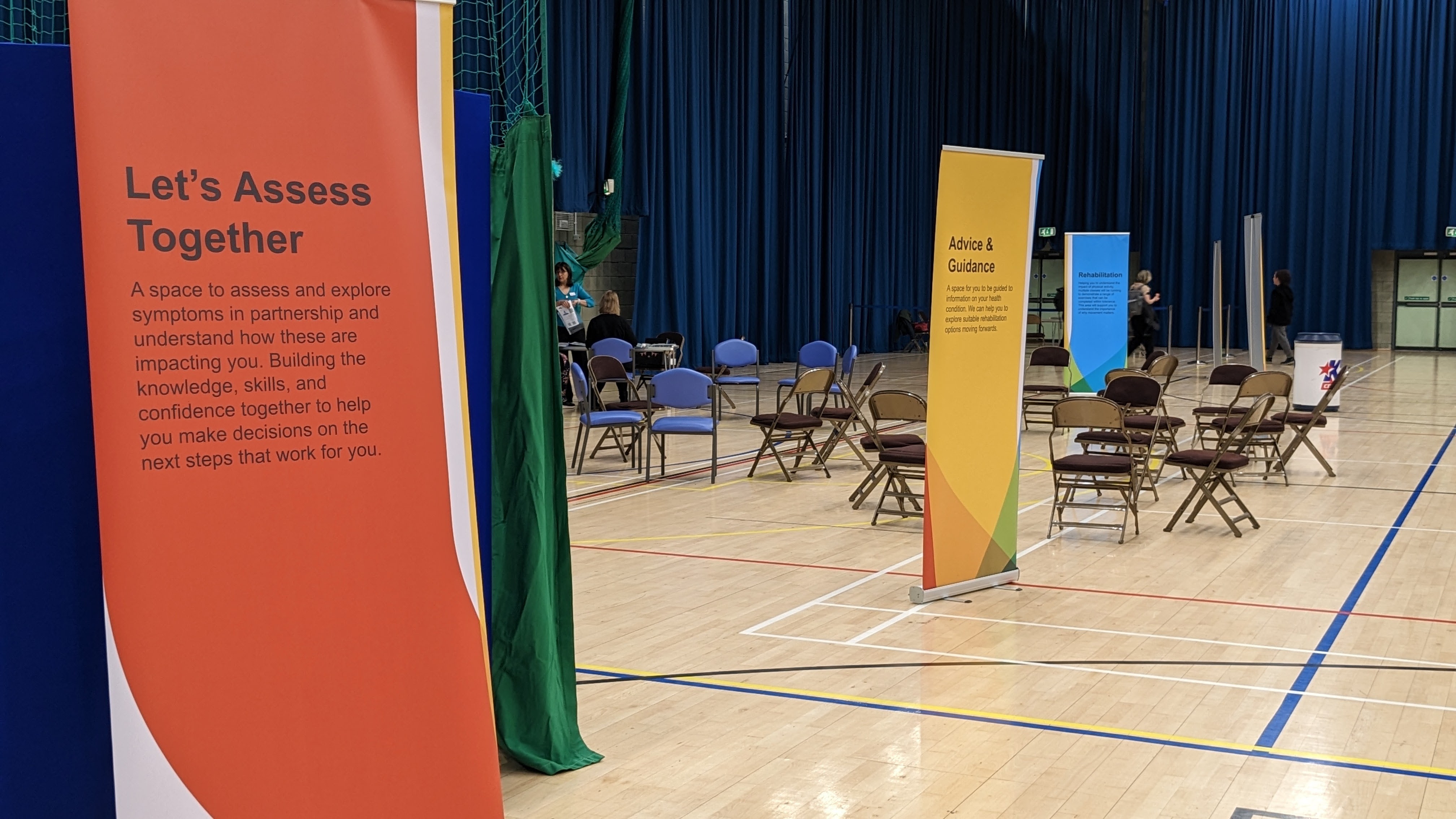
We quickly established that the only suitable locations would be sports halls (as we would need to accomodate 60+ staff and 250-300 patients across 8 hours). The principle challenges of the floorplan were ensuring smooth patient flow, creating a sense of privacy despite the lack of walls, and reducing the risk of overwhelm to patients & clinicians.
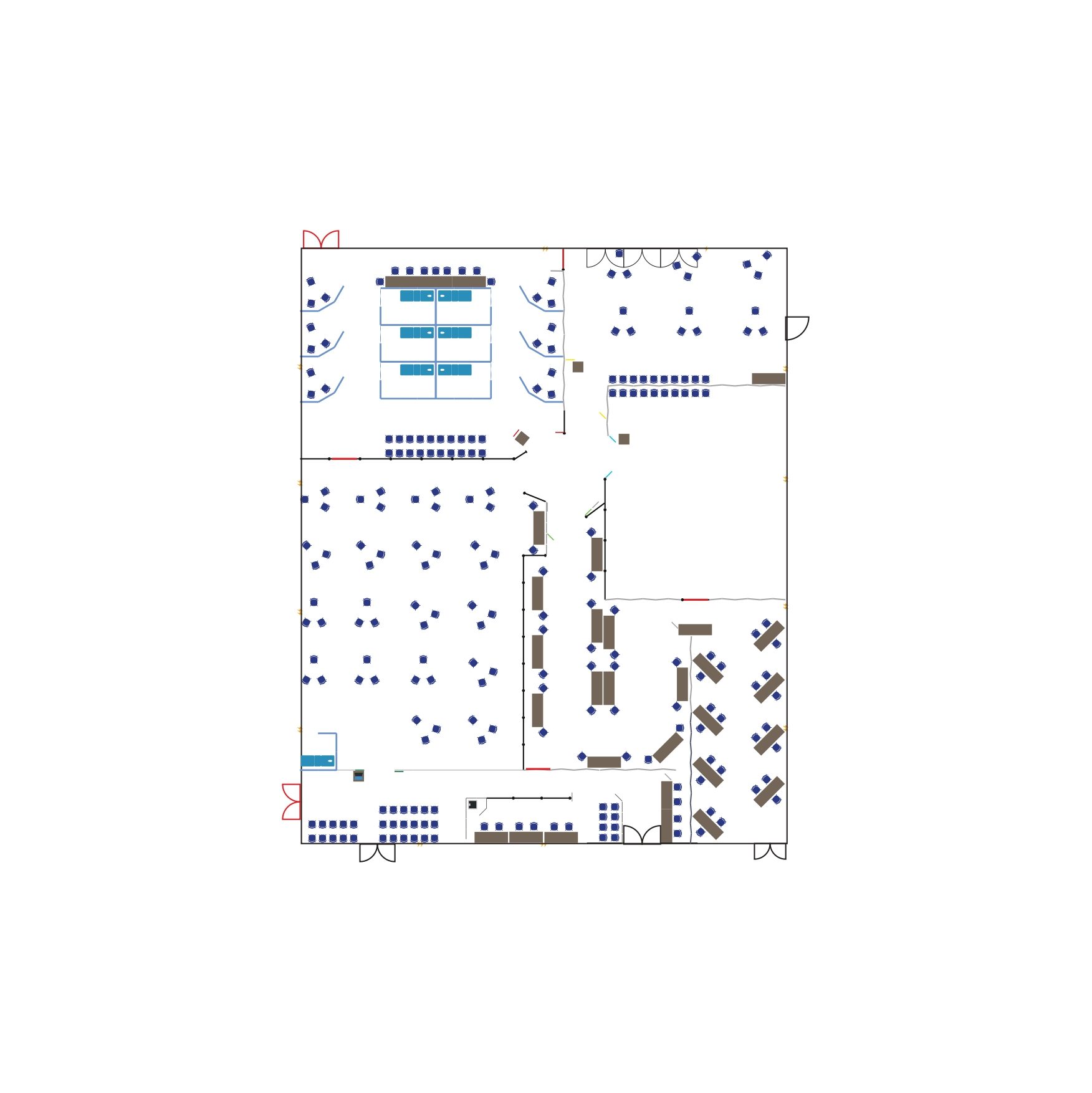
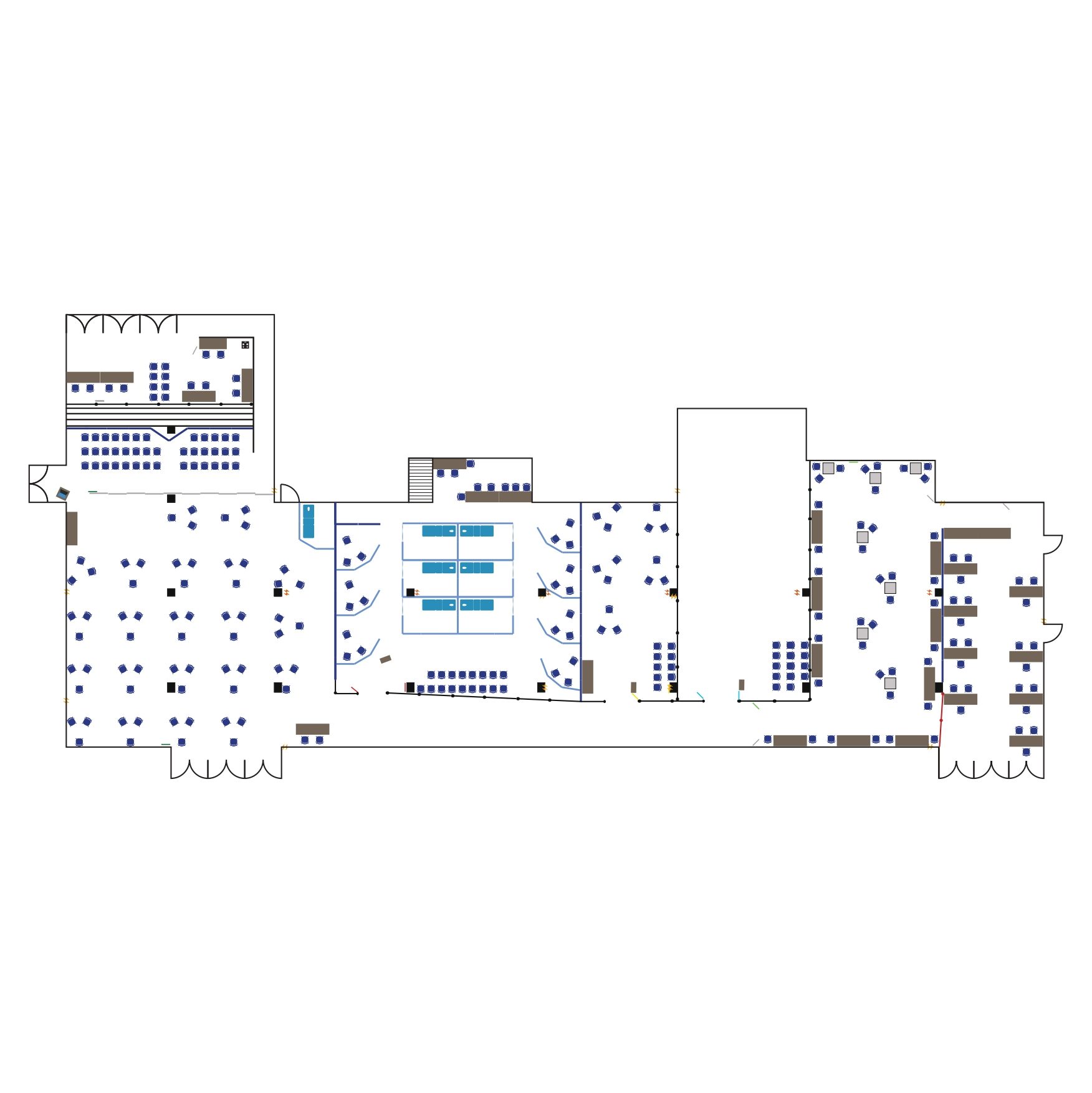
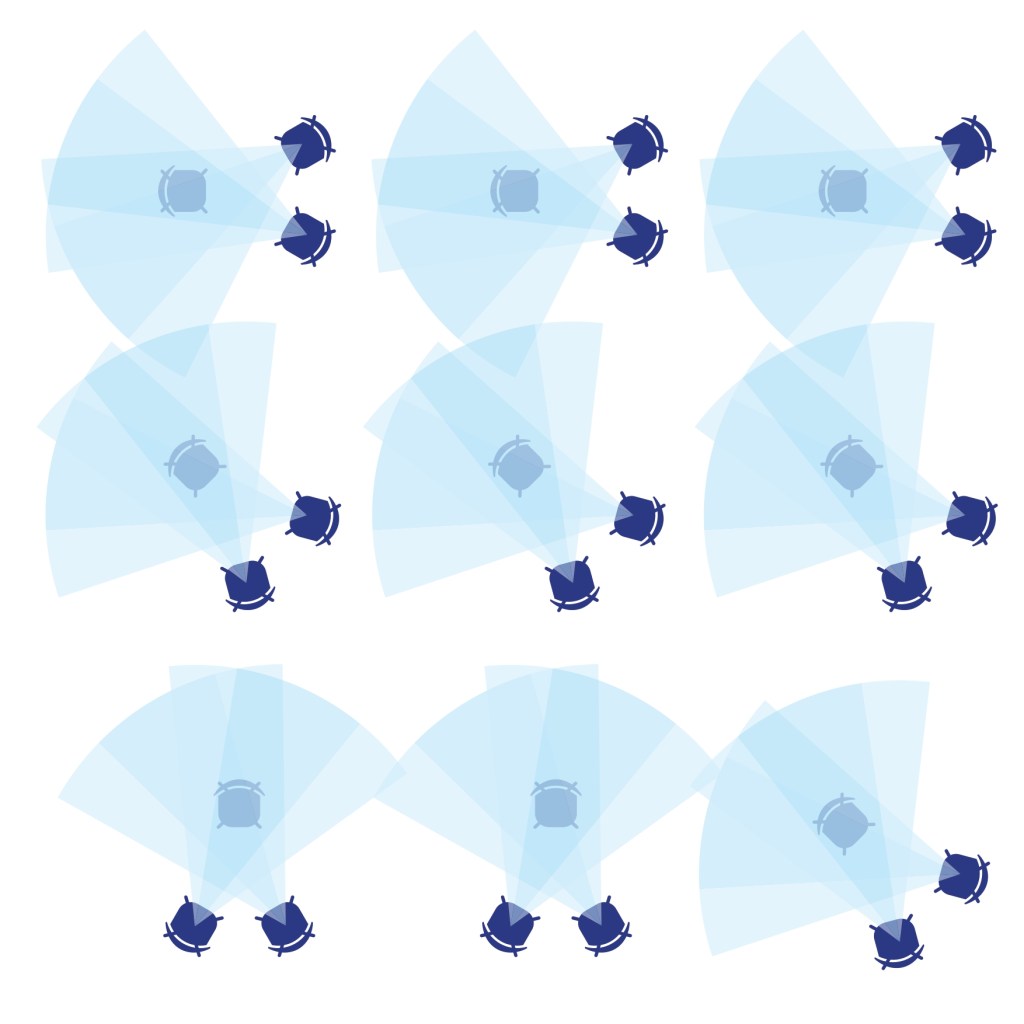
In order to ensure the events felt private despite the open setting I arranged the seated conversation sections in such a way as to ensure patient eyelines never met and avoided visibility of waiting & ‘corridor’ spaces to reduce distractions.
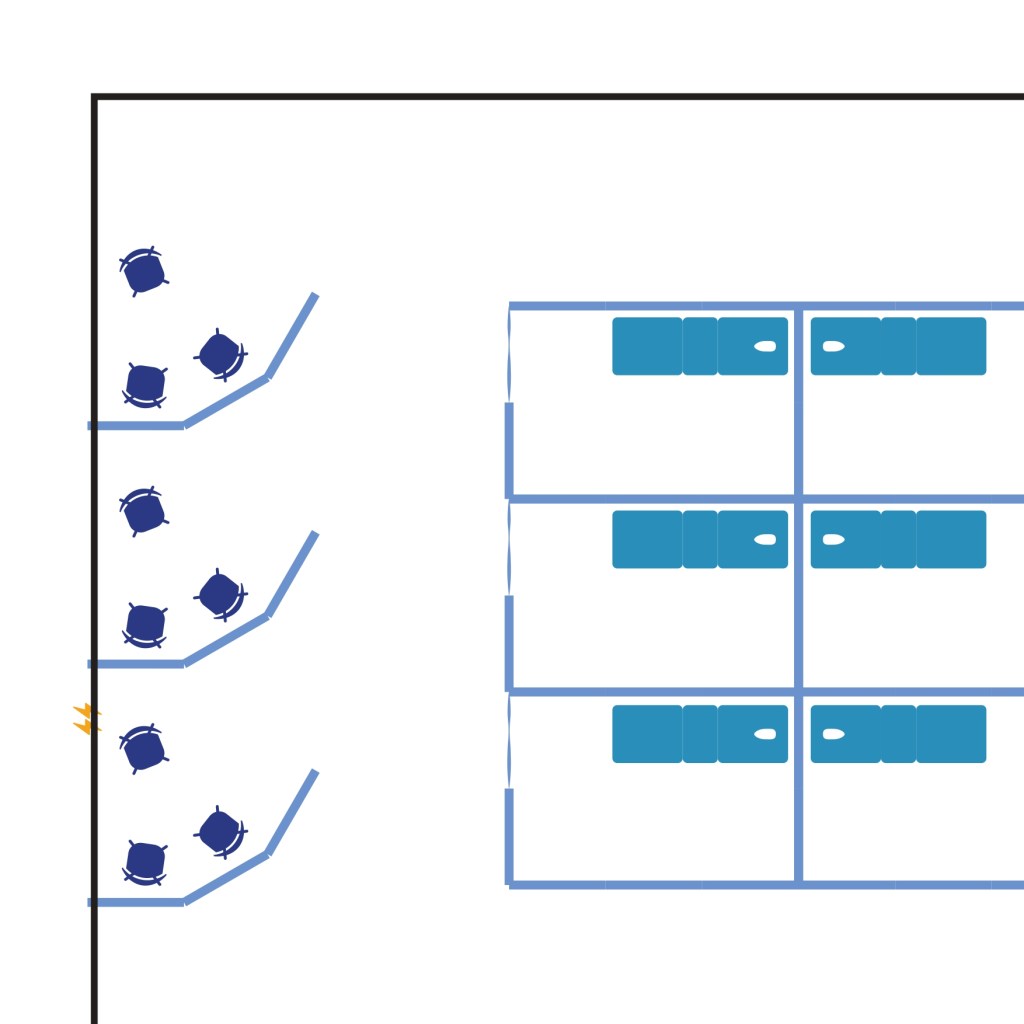
To minimise costs & maximise space efficiency I developed semi-private booths that used just 3 panels by positioning them such that their interior remained private. This allowed the full privacy booths to be used more efficiently.
 Jimie.